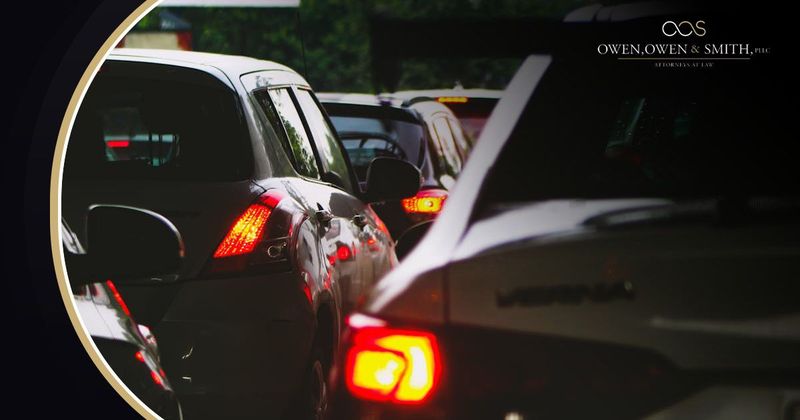
Tailgating is one of the most common yet dangerous habits seen on roads today. When drivers follow too closely, they drastically reduce the amount of time and space they have to react if the car in front of them suddenly slows down or stops.
Although some might consider tailgating merely annoying or aggressive driving, it plays a much more serious role in road safety. Rear-end collisions, which are often caused by tailgating, are consistently among the most frequent types of car accidents in the United States.
Tailgating leads to crashes, and understanding why can help drivers avoid these entirely preventable incidents.
Tailgating as a Leading Cause of Rear-End Collisions
Rear-end collisions make up nearly 30 percent of all traffic accidents. In most of these cases, the at-fault driver was following too close or failed to keep a safe stopping distance.
This behavior doesn’t just cause minor fender benders; in many situations, tailgating leads to high-impact collisions, chain-reaction crashes, or pileups, especially on highways where vehicles travel at higher speeds.
When a driver tailgates, even a momentary distraction can turn into a serious crash. Reaction time is significantly reduced, and vehicles traveling at 60 mph or faster require longer stopping distances than many people assume. If the car in front brakes suddenly, there’s simply not enough space to avoid impact. That’s why tailgating remains such a critical factor in accident statistics across the country.
How Frequently Does Tailgating Lead to Accidents?
Estimates suggest that tailgating contributes to more than 1.2 million crashes each year in the United States. These accidents range from minor bumper-to-bumper contacts to severe, high-speed collisions with serious injuries.
While the numbers can vary from state to state, densely populated areas and highways with heavy traffic see the highest rate of tailgating-related accidents.
It’s worth noting that tailgating doesn’t always involve reckless or aggressive drivers. In many cases, well-intentioned motorists follow too closely out of habit or in an attempt to match traffic flow. Even short moments of impatience during rush hour or on city streets can lead to collisions.
The data consistently shows that reducing tailgating would prevent a significant portion of crashes nationwide.
Why Do Drivers Tailgate?
The reasons behind tailgating can vary, but impatience and road rage often top the list. Some drivers use tailgating as a tactic to pressure slower vehicles to change lanes or speed up.
Others may not even realize how closely they’re following, particularly in stop-and-go traffic. Distracted driving also plays a role; when someone is not fully focused, they may fail to notice that they’re creeping up on the vehicle ahead.
Speeding and tailgating frequently go hand in hand. Drivers who exceed the posted speed limit are more likely to tailgate as well, reducing their margin for error even more. These behaviors create a dangerous environment, especially in poor weather or low visibility conditions. Rain, snow, or fog increases the required stopping distance, and tailgating in such conditions greatly heightens the risk of a crash.
Who Is Most at Risk?
Tailgating poses a threat to everyone on the road, but certain groups face a higher risk.
Motorcyclists and bicyclists are particularly vulnerable when drivers follow too closely. A sudden stop or swerve can have catastrophic consequences for these riders, who lack the protection of a vehicle frame.
Similarly, young and inexperienced drivers may tailgate without realizing the danger or fail to respond quickly when another driver is tailgating them.
Commercial trucks are also involved in tailgating scenarios. Due to their size and weight, trucks require significantly more stopping distance than passenger vehicles. When a truck follows too closely, the consequences can be deadly.
Conversely, when a car tailgates a truck, the driver often lacks a clear view of the road ahead, increasing the likelihood of a rear-end collision if traffic slows unexpectedly.
How Tailgating Contributes to Multi-Car Accidents
One of the most dangerous outcomes of tailgating is the potential for multi-vehicle pileups.
On busy highways or during rush hour, it just takes one tailgating driver to trigger a chain reaction. If one car slams into another from behind, the force of impact can push vehicles into each other, creating a domino effect. These crashes often result in extensive property damage, serious injuries, and extended road closures.
These pileups are especially common in foggy or rainy weather, where visibility is low and braking distances are extended. Drivers who tailgate in these conditions reduce their ability to react quickly to sudden changes in traffic and increase the chance of a high-speed chain-reaction crash.
This pattern underscores the broader public safety issue that tailgating presents.
Preventing Tailgating and Staying Safe
Preventing tailgating starts with practicing good driving habits. Maintaining a safe following distance, typically the “three-second rule”, gives drivers enough time to react to sudden stops. In adverse weather conditions, even more space may be necessary. Awareness plays a big role as well.
Many drivers tailgate without realizing it, so routinely checking your distance can help correct the habit.
For drivers being tailgated, the safest course of action is to remain calm and avoid brake-checking. Instead, signal and change lanes when it’s safe to do so, allowing the tailgater to pass. Reacting with aggression only escalates the situation and increases the risk of a crash.
Educating all drivers, especially teens and new motorists, about the dangers of tailgating can also reduce accidents. Driving schools, public awareness campaigns, and stricter enforcement of following-distance laws contribute to a safer driving environment for everyone.
Tailgating remains one of the most preventable causes of accidents on U.S. roads. Its contribution to rear-end collisions, pileups, and highway crashes is well-documented, and the habit persists largely due to impatience, distraction, and lack of awareness.
At Owen, Owen & Smith, PLLC, we understand that by simply keeping a safe distance, driving defensively, and understanding the risks, drivers can help reduce the number of crashes caused by tailgating.
Road safety starts with responsible behavior behind the wheel and letting go of the need to rush can help save lives.