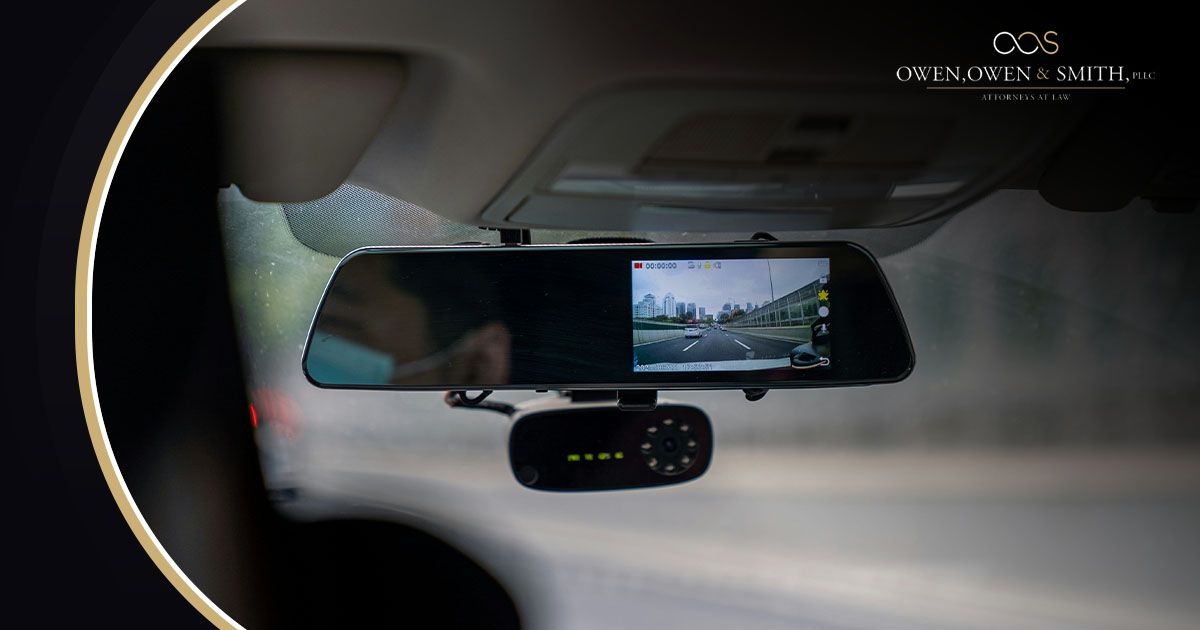
Thanks to our smartphones, we’ve evolved into a society that videos everything.
It’s largely been a good thing, as footage has helped document many incidents where disputes arose over what happened. Video footage doesn’t lie. Smartphone technology has enabled the widespread use of dashboard cameras in cars, buses, and commercial vehicles.
Access to that footage has proven to be crucial in determining fault in multi-car accidents.
Obtaining dashcam footage can be a challenge if it is not your vehicle. That’s where an experienced Biloxi car accident lawyer can be of assistance. A skilled attorney can help secure dashcam footage from all the cars involved in an accident. That’s the best approach for determining the cause.
The Role of Video Evidence in Multi-car Pileups
In the immediate aftermath of an accident, the “blame game” begins. Everyone involved points their finger at the other driver to assign fault. That will be crucial in determining who will pay for the losses. It’s especially true in multi-car accidents.
Here is how the video evidence plays a role in multi-car pileups:
- Identifies the Triggering Event: In chain-reaction crashes, it is extremely challenging to determine who was at fault for the initial collision that triggered the chain reaction. Dashcam footage can pinpoint exactly which vehicle caused the first impact.
- Captures Driver Behavior: Dashcam footage provides a driver’s point of view, demonstrating concrete evidence of erratic lane changes, tailgating, delayed braking, or illegal passing. Any of those factors can contribute to a pileup.
- Establishes Environmental Factors: A car’s camera can establish road conditions, visibility, malfunctioning traffic signals, and weather factors at the time of the accident. Those conditions can also be a factor in the crash, as they can show that a driver did not adjust for the hazards.
When you have compelling video evidence, it is easy to deflect an insurance company that is trying to shift blame for the accident onto you.
Legal Steps to Preserve Electronic Evidence After a Crash
It is essential to preserve any dashcam footage or other electronic evidence as quickly as possible after an accident. As powerful as that footage might be, it might not last forever.
Dashcam footage in trucks often gets overwritten automatically after 30 days, or even sooner, to make room for newer footage. The fastest way to stop that clock is to get an attorney to intervene.
To preserve electronic evidence after a crash, your attorney needs to immediately send a formal spoliation or preservation letter via certified mail to the defendants. This letter legally mandates them to freeze automatic deletions of critical digital data.
That can include Event Data Recorder (EDR) or “black box” logs, dashcam footage, and cell phone records. Before that letter goes out, your attorney needs to pinpoint what needs to be saved and the source. A spoliation letter can also be served on municipalities and homeowners or commercial property owners who may have surveillance footage of the accident.
If the dashcam footage is from your car, you need to make an immediate copy and share that with your attorney to establish a strong chain of custody.
Admissibility of Dashcam Video in Mississippi Courts
Once you have the dashcam video that demonstrates who caused an accident, you and your attorney can present that evidence to an insurance company to fortify your claim.
Even with that footage, the insurance carrier might dispute who caused the accident or undervalue your damage. At that point, you might consider filing a civil lawsuit. That would mean presenting your dashcam footage as evidence to a jury.
Before the jury can see your footage, the judge has to rule on its admissibility. In order for that to happen, your footage needs to meet the following criteria:
- Authentication: You or a witness must be able to testify under oath that the video is an accurate representation of the events and that it hasn’t been altered in any way. You can also present metadata from the footage, such as GPS coordinates and built-in timestamps. That will help establish when and where the recording took place.
- Chain of Custody: The defendant’s attorney will challenge the integrity of the footage. That is why you need to send the raw, unedited footage directly to your attorney. That will lock in a clear chain of custody that establishes the footage hasn’t been altered.
- Relevance: Your dashcam footage must also clearly establish fault, document reckless behavior, or clarify the sequence of events leading up to the incident. In other words, it has to be relevant to your claim.
How Our Gulfport Personal Injury Attorneys Use Video Evidence
Video footage can be some of the strongest evidence available after a multi-car accident, but it must be collected, preserved, and presented effectively. At Owen, Owen & Smith, PLLC, we know how to identify valuable video evidence and move quickly to secure it on behalf of our clients.
Once the footage is secured, we will carefully analyze every frame to determine how that crash unfolded. When we combine this evidence with police reports, witness statements, and medical documentation, we can build a compelling claim that clearly demonstrates liability. That is the best course of action for securing a fair settlement.
If you were injured in a multi-car crash in Biloxi or anywhere along the Mississippi Gulf Coast, don’t wait to seek legal guidance.
The experienced team at Owen, Owen & Smith, PLLC can take immediate steps to preserve valuable video evidence.
Contact us today for a free consultation and let us begin building your case.